Numbers 7 — Offerings of Dedication

Timeline: 1445 BC

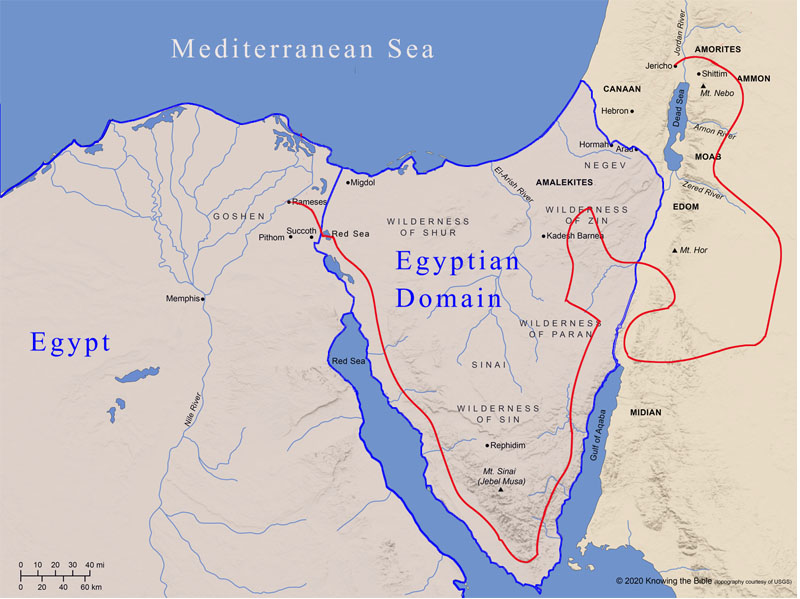
Exodus Map


Resources

Chuck Missler

Skip Heitzig

Albert Mohler

Baruch Korman

Commentary


Israelite Journeys

Rameses
Succoth
Etham
Pi-hahiroth
By the Red Sea
Wilderness of Shur
Marah
By the Red Sea
Elim
Wilderness of Sin
Dophkah
Alush
Rephidim
The Mountain of God
Wilderness of Sinai

Kibroth-hattaavah
Hazeroth
Rithmah
Rimmon-perez
Libnah
Rissah
Kehelathah
Mount Shepher
Haradah
Makheloth
Tahath
Terah
Mithkah
Hashmonah
Moseroth
Bene-jaakan
Hor-haggidgad
Jotbathah
Abronah
Ezion-geber
Kadesh
Mount Hor
Zalmonah
Punon
Oboth
Lye-abarim
Dibon-gad
Almon-diblathaim
Mountains of Abarim
The plains of Moab

The Tabernacle was fully assembled and dedicated on the first day of the first month of the second year following the Israelites' exodus from Egypt. Just one month later, on the first day of the second month, God commanded Moses to conduct a census of the community. The heads of their father's houses, acting as representative for their tribes, brought generous offerings for the dedication. Although this is a very long chapter, verses 12-78 is repetitive, highlighted the importance of each individual gift and the importance of the tribe itself, similar to how each graduate is recognized at a commencement ceremony. It served as a legal record, much like a notarized document, proving that every leader followed the instructions precisely.

Numbers 7:1 On the day Moses finished setting up the tabernacle, he anointed and consecrated it and all its furnishings, along with the altar and all its utensils. And the leaders of Israel, the heads of their families, presented an offering. These men were the tribal leaders who had supervised the registration. They brought as their offering before the LORD six covered carts and twelve oxen—an ox from each leader and a cart from every two leaders—and presented them before the tabernacle.

The use of two oxen per cart was a clear indication that they were designed to carry a significant load. This practical solution was necessary because some components, like the frames and curtains, were too bulky to be carried by hand.

Numbers 7:4 And the LORD said to Moses, "Accept these gifts from them, that they may be used in the work of the Tent of Meeting. And give them to the Levites, to each man according to his service."

God declared His acceptance of the freewill offerings by giving instructions for how the gifts were to be distributed to the Levites.

Numbers 7:6 So Moses took the carts and oxen and gave them to the Levites. He gave the Gershonites two carts and four oxen, as their service required, and he gave the Merarites four carts and eight oxen, as their service required, all under the direction of Ithamar son of Aaron the priest. But he did not give any to the Kohathites, since they were to carry on their shoulders the holy objects for which they were responsible.

The Gershonites received two carts and four oxen since they carried the coverings and all the hangings of the tabernacle except the veil. The Merarites were given four carts and eight oxen because they carried the heavier parts; the boards, bars, pillars and sockets for the tabernacle.

The Kohathites were to carry the sacred articles on poles for those sacred things must not be drawn by beasts. King David carried the Ark of the Covenant on a cart which was against the rules listed here and resulted in the death of a man named Uzzah.

Numbers 7:10 When the altar was anointed, the leaders approached with their offerings for its dedication and presented them before the altar. And the LORD said to Moses, "Each day one leader is to present his offering for the dedication of the altar."

The altar in the tabernacle was dedicated through an anointing with oil, and a series of sacrifices including grain, incense, burnt offerings, and peace offerings, which occurred over several days. This period was marked by the twelve tribal leaders each presenting their own offerings for the dedication. The order by which they offered mirrored the order of the tribes in which they encamped about the tabernacle.

Numbers 7:12 On the first day Nahshon son of Amminadab from the tribe of Judah drew near with his offering. His offering was one silver platter weighing a hundred and thirty shekels, and one silver bowl weighing seventy shekels, both according to the sanctuary shekel and filled with fine flour mixed with oil for a grain offering; one gold dish weighing ten shekels, filled with incense; one young bull, one ram, and one male lamb a year old for a burnt offering; one male goat for a sin offering; and a peace offering of two oxen, five rams, five male goats, and five male lambs a year old. This was the offering of Nahshon son of Amminadab.

The priests received and performed these offerings for the dedication of the altar according to Levitical law:

A silver platter weighing 3 ¼ pounds and a silver bowl weighing 1 ¾ pounds filled with fine flour mixed with oil for a grain offering—expressed gratitude and thanksgiving.

A gold dish (The original Hebrew word refers to a hollow cup or vessel, similar in function to a ladle, which was used for carrying incense) weighing 4 ounces filled with incense—as a physical representation of prayers going up to God.

One young bull, one ram, and one male lamb a year old for a burnt offering—symbolizing a complete surrender to God.

One male goat for a sin offering—provided atonement for unintentional sins in order to receive Divine forgiveness.

Two oxen, five rams, five male goats, and five male lambs for a peace offering to affirm the relationship and fellowship between God and his people.

Each of the twelve tribal leaders presented identical offerings for twelve consecutive days.

Numbers 7:18 On the second day Nethanel son of Zuar, the leader of Issachar, drew near. The offering he presented was one silver platter weighing a hundred and thirty shekels, and one silver bowl weighing seventy shekels, both according to the sanctuary shekel and filled with fine flour mixed with oil for a grain offering; one gold dish weighing ten shekels, filled with incense; one young bull, one ram, and one male lamb a year old for a burnt offering; one male goat for a sin offering; and a peace offering of two oxen, five rams, five male goats, and five male lambs a year old. This was the offering of Nethanel son of Zuar.

Numbers 7:24 On the third day Eliab son of Helon, the leader of the Zebulunites, drew near. His offering was one silver platter weighing a hundred and thirty shekels, and one silver bowl weighing seventy shekels, both according to the sanctuary shekel and filled with fine flour mixed with oil for a grain offering; one gold dish weighing ten shekels, filled with incense; one young bull, one ram, and one male lamb a year old for a burnt offering; one male goat for a sin offering; and a peace offering of two oxen, five rams, five male goats, and five male lambs a year old. This was the offering of Eliab son of Helon.

Numbers 7:30 On the fourth day Elizur son of Shedeur, the leader of the Reubenites, drew near. His offering was one silver platter weighing a hundred and thirty shekels, and one silver bowl weighing seventy shekels, both according to the sanctuary shekel and filled with fine flour mixed with oil for a grain offering; one gold dish weighing ten shekels, filled with incense; one young bull, one ram, and one male lamb a year old for a burnt offering; one male goat for a sin offering; and a peace offering of two oxen, five rams, five male goats, and five male lambs a year old. This was the offering of Elizur son of Shedeur.

Numbers 7:36 On the fifth day Shelumiel son of Zurishaddai, the leader of the Simeonites, drew near. His offering was one silver platter weighing a hundred and thirty shekels, and one silver bowl weighing seventy shekels, both according to the sanctuary shekel and filled with fine flour mixed with oil for a grain offering; one gold dish weighing ten shekels, filled with incense; one young bull, one ram, and one male lamb a year old for a burnt offering; one male goat for a sin offering; and a peace offering of two oxen, five rams, five male goats, and five male lambs a year old. This was the offering of Shelumiel son of Zurishaddai.

Numbers 7:42 On the sixth day Eliasaph son of Deuel, the leader of the Gadites, drew near. His offering was one silver platter weighing a hundred and thirty shekels, and one silver bowl weighing seventy shekels, both according to the sanctuary shekel and filled with fine flour mixed with oil for a grain offering; one gold dish weighing ten shekels, filled with incense; one young bull, one ram, and one male lamb a year old for a burnt offering; one male goat for a sin offering; and a peace offering of two oxen, five rams, five male goats, and five male lambs a year old. This was the offering of Eliasaph son of Deuel.

Numbers 7:48 On the seventh day Elishama son of Ammihud, the leader of the Ephraimites, drew near. His offering was one silver platter weighing a hundred and thirty shekels, and one silver bowl weighing seventy shekels, both according to the sanctuary shekel and filled with fine flour mixed with oil for a grain offering; one gold dish weighing ten shekels, filled with incense; one young bull, one ram, and one male lamb a year old for a burnt offering; one male goat for a sin offering; and a peace offering of two oxen, five rams, five male goats, and five male lambs a year old. This was the offering of Elishama son of Ammihud.

Numbers 7:54 On the eighth day Gamaliel son of Pedahzur, the leader of the Manassites, drew near. His offering was one silver platter weighing a hundred and thirty shekels, and one silver bowl weighing seventy shekels, both according to the sanctuary shekel and filled with fine flour mixed with oil for a grain offering; one gold dish weighing ten shekels, filled with incense; one young bull, one ram, and one male lamb a year old for a burnt offering; one male goat for a sin offering; and a peace offering of two oxen, five rams, five male goats, and five male lambs a year old. This was the offering of Gamaliel son of Pedahzur.

Numbers 7:60 On the ninth day Abidan son of Gideoni, the leader of the Benjamites, drew near. His offering was one silver platter weighing a hundred and thirty shekels, and one silver bowl weighing seventy shekels, both according to the sanctuary shekel and filled with fine flour mixed with oil for a grain offering; one gold dish weighing ten shekels, filled with incense; one young bull, one ram, and one male lamb a year old for a burnt offering; one male goat for a sin offering; and a peace offering of two oxen, five rams, five male goats, and five male lambs a year old. This was the offering of Abidan son of Gideoni.

Numbers 7:66 On the tenth day Ahiezer son of Ammishaddai, the leader of the Danites, drew near. His offering was one silver platter weighing a hundred and thirty shekels, and one silver bowl weighing seventy shekels, both according to the sanctuary shekel and filled with fine flour mixed with oil for a grain offering; one gold dish weighing ten shekels, filled with incense; one young bull, one ram, and one male lamb a year old for a burnt offering; one male goat for a sin offering; and a peace offering of two oxen, five rams, five male goats, and five male lambs a year old. This was the offering of Ahiezer son of Ammishaddai.

Numbers 7:72 On the eleventh day Pagiel son of Ocran, the leader of the Asherites, drew near. His offering was one silver platter weighing a hundred and thirty shekels, and one silver bowl weighing seventy shekels, both according to the sanctuary shekel and filled with fine flour mixed with oil for a grain offering; one gold dish weighing ten shekels, filled with incense; one young bull, one ram, and one male lamb a year old for a burnt offering; one male goat for a sin offering; and a peace offering of two oxen, five rams, five male goats, and five male lambs a year old. This was the offering of Pagiel son of Ocran.

Numbers 7:78 On the twelfth day Ahira son of Enan, the leader of the Naphtalites, drew near. His offering was one silver platter weighing a hundred and thirty shekels, and one silver bowl weighing seventy shekels, both according to the sanctuary shekel and filled with fine flour mixed with oil for a grain offering; one gold dish weighing ten shekels, filled with incense; one young bull, one ram, and one male lamb a year old for a burnt offering; one male goat for a sin offering; and a peace offering of two oxen, five rams, five male goats, and five male lambs a year old. This was the offering of Ahira son of Enan.

Numbers 7:84 So these were the offerings from the leaders of Israel for the dedication of the altar when it was anointed: twelve silver platters, twelve silver bowls, and twelve gold dishes.

This verse is a summary of the gifts that were given during the twelve days of celebrating the dedication of the tabernacle and the brazen altar. Twelve of each from each of the twelve tribes.

The number twelve often signifies completeness or the people of God. Silver signifies the price of redemption through its use in atonement offerings and the sanctuary. Gold symbolizes purity and divinity, often associated with God's presence. Incense represents prayer and worship. The use of gold dishes filled with incense in the tabernacle underscores the sacredness of worship and the importance of prayer in the life of the Israelites.

Numbers 7:85 Each silver platter weighed a hundred and thirty shekels, and each silver bowl seventy shekels. The total weight of the silver articles was two thousand four hundred shekels, according to the sanctuary shekel.

130 shekels is approximately 3.3 pounds.

70 shekels is approximately 1.76 pounds.

2,400 shekels is approximately 60.3 pounds.

Numbers 7:86 The twelve gold dishes filled with incense weighed ten shekels each, according to the sanctuary shekel. The total weight of the gold dishes was a hundred and twenty shekels.

In terms of today's measurements of money, the total worth of all the tribe's offerings would have been worth at least $360,000. The gold dishes (or ladles) weighed 120 shekels—approximately 3 pounds. The offerings brought by the Israelites were substantial and costly, reflecting their commitment and obedience to God.

Numbers 7:87 All the livestock for the burnt offering totaled twelve bulls, twelve rams, and twelve male lambs a year old—together with their grain offerings—and twelve male goats for the sin offering.

Bulls were often associated with strength and leadership, rams as a substitution sacrifice, and lambs with innocence and purity. The specification of "a year old" indicates the animals were in their prime, symbolizing the best being offered to God. Grain offerings accompanied burnt offerings as a symbol of thanksgiving and dedication. The sin offering was a sacrifice for atonement.

Numbers 7:88 All the livestock sacrificed for the peace offering totaled twenty-four bulls, sixty rams, sixty male goats, and sixty male lambs a year old. This was the dedication offering for the altar after it was anointed.

The community shared in a communal meal from the peace offering sacrifice symbolizing fellowship and communion, with portions going to God, the priests, and the worshipers. The dedication of the altar, after its anointing, marks the beginning of its use in the tabernacle.

Numbers 7:89 When Moses entered the Tent of Meeting to speak with the LORD, he heard the voice speaking to him from between the two cherubim above the mercy seat on the ark of the Testimony. Thus the LORD spoke to him.

When the Lord's cloud enveloped the tabernacle, it became inaccessible to all, including Moses. God's audible voice communicated from between the two cherubim, while Moses remained outside the veil that separated the Holy of Holies from the rest of the tabernacle. This situation suggests the cloud had not yet filled the sanctuary itself. This established the customary manner in which God would communicate His will to Moses, in his role as the sole leader responsible for the entire nation over the next forty years.

Cassie, Matt, Joe